
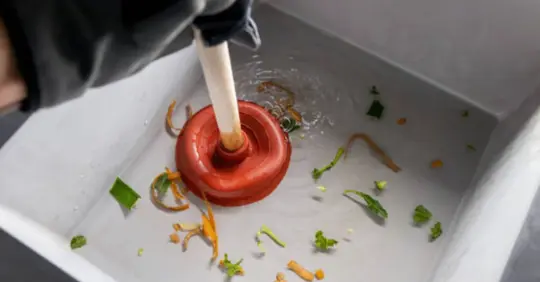
Slow drains are a common plumbing issue that can disrupt your daily routine and signal bigger problems in your home’s plumbing system. While they may start as a minor inconvenience, ignoring slow drains can lead to clogs, backups, and costly repairs. Understanding the common causes of slow drains and how to address them is key to keeping your plumbing system running efficiently.
Common Causes of Slow Drains
Several factors can contribute to slow-draining sinks, tubs, and showers. Recognizing these issues early can prevent more significant problems.
1. Hair and Soap Buildup
In bathrooms, hair, soap residue, and other debris can stick to the inside of pipes, gradually restricting water flow. Over time, this buildup can create partial clogs that slow drainage and cause unpleasant odors.
2. Food and Grease in Kitchen Drains
In the kitchen, pouring grease or food scraps down the sink can lead to sticky buildup inside the pipes. Even small amounts of grease can accumulate over time, reducing the flow of water and causing recurring slow drains.
3. Mineral Deposits from Hard Water
Hard water, common in many Tennessee homes, contains minerals like calcium and magnesium. These minerals can collect inside pipes, narrowing the diameter and slowing water flow.
4. Foreign Objects or Debris
Sometimes slow drains are caused by objects accidentally entering the pipes. Small items like jewelry, bottle caps, or excessive paper products can become lodged, restricting water flow.
5. Tree Roots or Sewer Line Issues
In severe cases, slow drains may indicate issues beyond your home’s plumbing system. Tree roots growing into sewer lines or damaged pipes can restrict drainage and cause recurring slow drains throughout your home.
How to Prevent Slow Drains
Preventing slow drains is often easier than fixing them. Homeowners can take simple steps to keep water flowing smoothly:
Use drain screens to catch hair and debris in bathroom sinks and tubs
Avoid pouring grease, coffee grounds, or food scraps down kitchen drains
Run hot water after washing dishes to help flush pipes
Schedule regular plumbing inspections to catch early signs of buildup or damage
When to Call a Professional
While minor slow drains can sometimes be managed with DIY solutions, persistent or widespread slow drains may indicate a more serious problem. Professional plumbers have the tools and expertise to identify the root cause, whether it’s a hidden clog, pipe damage, or sewer line issues, and provide safe, long-term solutions.
Keep Your Drains Flowing Smoothly
Slow drains shouldn’t disrupt your home or daily routine. By understanding the common causes, taking preventative steps, and seeking professional assistance when needed, you can maintain a healthy and efficient plumbing system.
📞 Contact Tennessee Plumbing today at (423) 455-8776 for expert drain cleaning and plumbing services. Our team is ready to help keep your drains flowing freely and your home protected from costly plumbing problems.