July 26, 2026
Water has a way of finding every weak spot in a home, which is why plumbing emergencies can become serious much faster than many homeowners expect. What starts as a small leak under a sink, a dripping pipe behind a wall, or an unusual sound coming from the plumbing system can quickly develop into soaked flooring, damaged drywall, warped cabinets, or expensive restoration work. Water often travels to areas that are not immediately visible, making it difficult to recognize the full extent of the damage until repairs become more complicated. Knowing when to act instead of waiting can make a significant difference in protecting your property, reducing repair costs, and preventing a minor plumbing issue from becoming a major emergency.
Many people try to solve plumbing problems on their own, and while that may work for simple issues like tightening a loose fixture or unclogging a drain, certain situations require immediate professional attention. Delaying repairs in hopes that the problem will resolve itself can allow hidden leaks, damaged pipes, or sewer issues to worsen over time. Experienced plumbers have the training, specialized equipment, and expertise to diagnose problems that are not always visible on the surface, helping prevent additional damage before it spreads throughout the home. Understanding the warning signs of a plumbing emergency can help you make confident decisions when every minute counts, giving you the opportunity to protect your home, your belongings, and your peace of mind.
1. Recognizing the Warning Signs of Burst Pipes
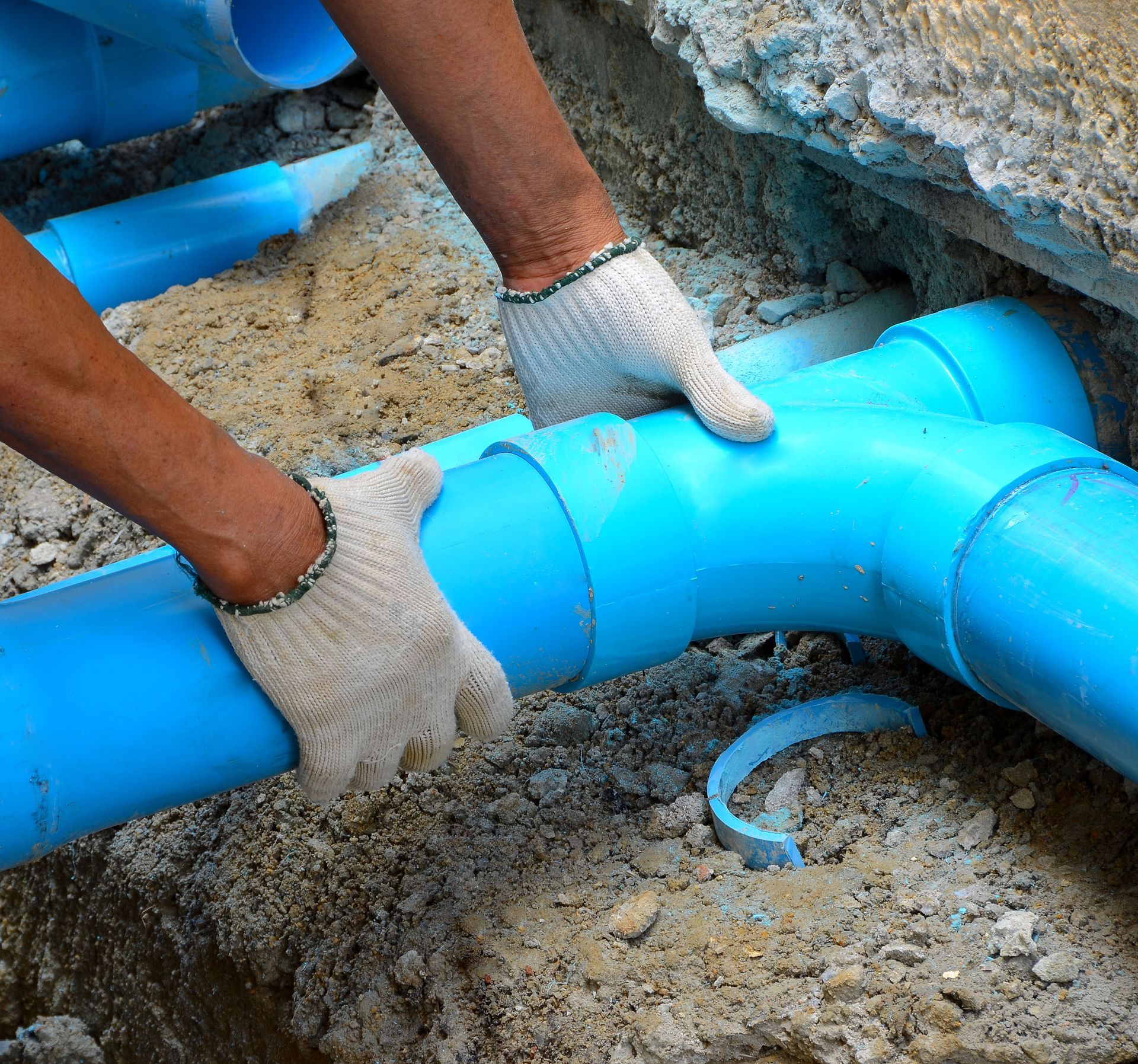
A burst pipe is one of the most urgent plumbing emergencies because it can release a significant amount of water in a very short period. You may notice a sudden drop in water pressure, water stains spreading across ceilings or walls, unusual banging sounds inside the pipes, or puddles appearing where they should not. Even if the leak seems small at first, water can travel behind walls and beneath flooring long before visible damage appears.
According to the Insurance Information Institute, burst pipes are responsible for roughly 14% of residential insurance claims involving water damage, showing just how often this type of plumbing failure leads to costly property losses. That statistic highlights why homeowners should never ignore the warning signs. Calling plumbers as soon as a burst pipe is suspected can help limit water damage and reduce the chances of extensive repairs.
2. Addressing the Danger of Sewage Backups
Few household emergencies are as unpleasant as a sewage backup. Slow drains throughout the home, gurgling toilets, foul odors, or wastewater coming back into sinks and tubs often indicate a blockage somewhere in the sewer system. Unlike a standard drain clog, a sewage backup presents sanitation concerns that should never be handled casually.
Raw sewage can contain harmful bacteria and contaminants that create health risks for everyone in the household. Attempting to clean or repair the problem without the proper equipment may expose your family to unnecessary hazards. Professional plumbers have specialized tools that allow them to locate the source of the blockage, clear the line safely, and inspect the system for additional damage before the problem returns.
3. Responding To Water Heater Failures
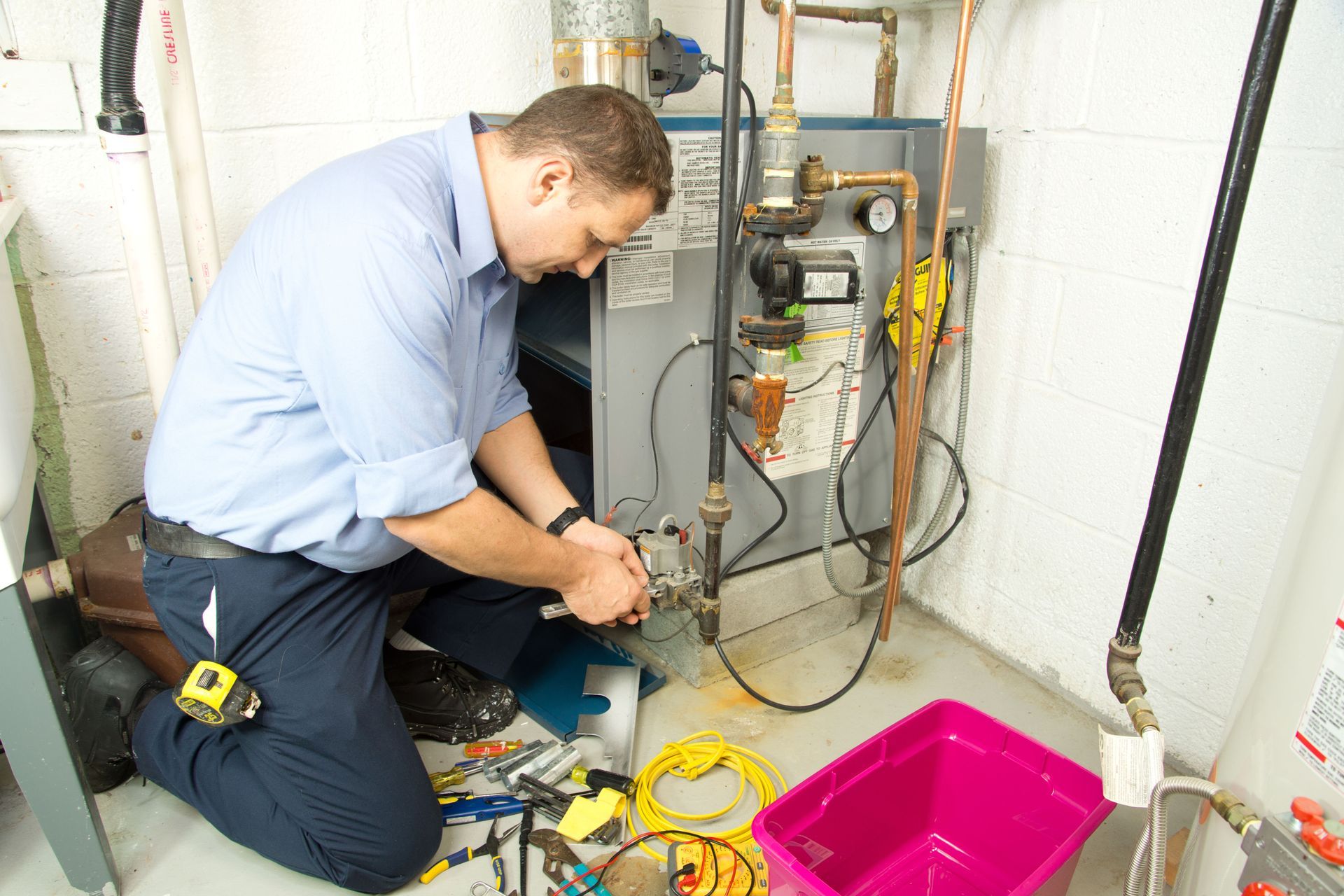
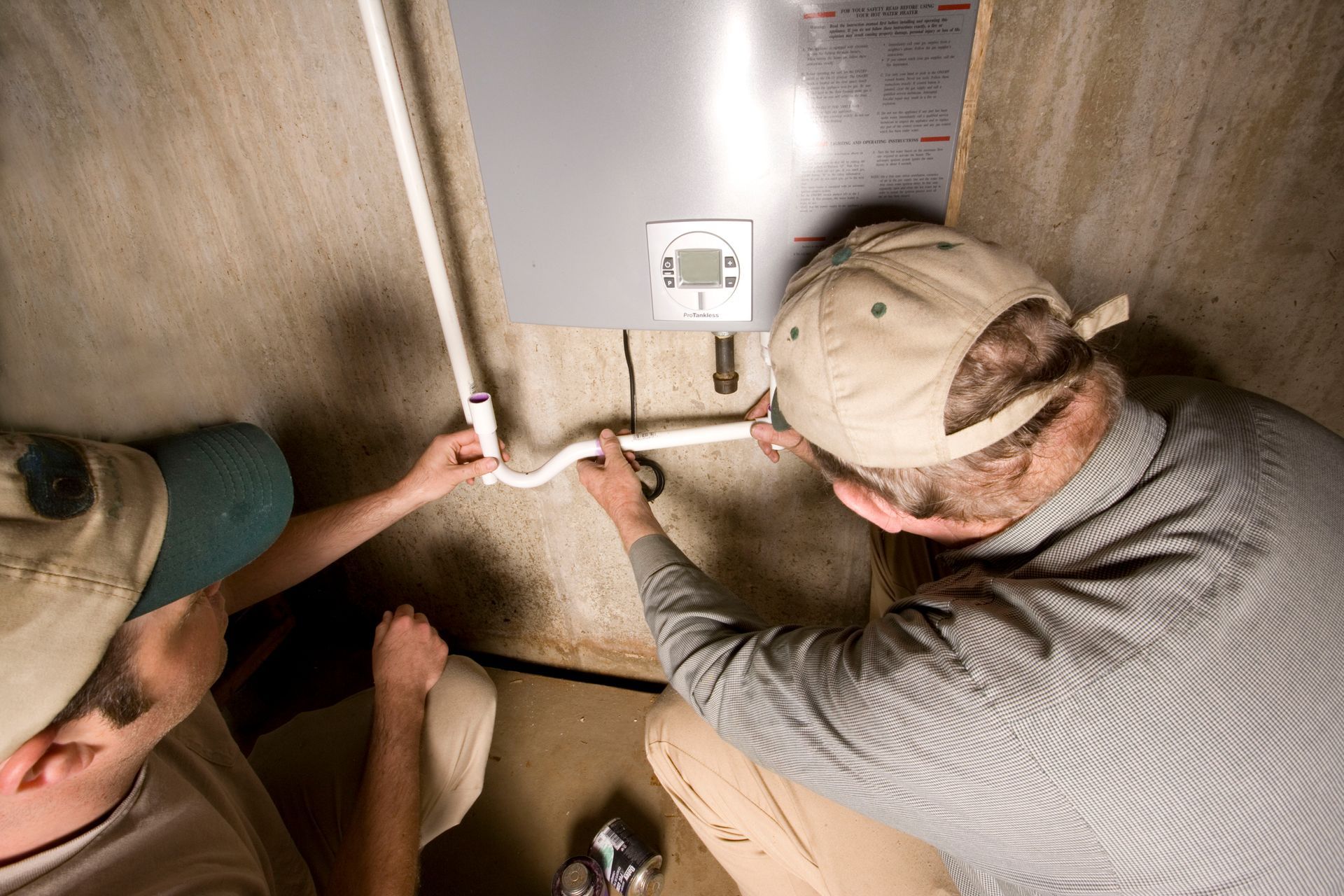
Most homeowners rely on hot water every day, so a failing water heater quickly becomes more than an inconvenience. Water pooling around the base of the unit, rusty-colored water, inconsistent temperatures, strange popping noises, or a complete loss of hot water often indicate that the system needs immediate attention. While some issues develop gradually, others can escalate without much warning.
Ignoring these symptoms could allow leaks to worsen or even result in a tank failure that floods part of the home. Gas-powered units also introduce additional safety concerns if ventilation or gas connections become compromised. Rather than guessing whether the problem is minor or severe, contacting plumbers promptly allows the issue to be diagnosed correctly and helps homeowners determine whether repair or replacement is the better long-term solution.
4. Handling the Overflowing Toilet or Drain
An overflowing toilet has a way of turning an ordinary day into a stressful one. While a simple clog may respond to a plunger, repeated overflows, multiple backed-up fixtures, or water backing into showers and sinks usually indicate a larger issue somewhere within the plumbing system. Those warning signs should never be dismissed as isolated incidents.
Overflowing fixtures can damage flooring, cabinetry, drywall, and other nearby materials while also creating unsanitary conditions inside the home. Continuing to flush or use other plumbing fixtures may only make the situation worse by forcing additional wastewater through an already blocked system. Experienced plumbers can determine whether the issue involves a local clog or a larger sewer line obstruction, allowing repairs to be completed before more extensive damage occurs.
5. Stopping the Persistent Leaks Before Growing
A dripping faucet may not seem like an emergency, but not every leak stays small for long. Water appearing beneath sinks, around supply lines, behind appliances, or near plumbing fixtures often points to worn seals, damaged pipes, or hidden plumbing failures. Small leaks can quietly cause wood rot, mold growth, and structural damage before homeowners realize the extent of the problem.
Even when a temporary repair slows the leak, the underlying cause often remains. Waiting too long can increase repair costs as moisture spreads into walls, flooring, and insulation. Having plumbers inspect persistent leaks helps identify the source of the problem and provides a lasting repair instead of another temporary fix that may fail unexpectedly.
6. Investigating the Cause of Low Water Pressure
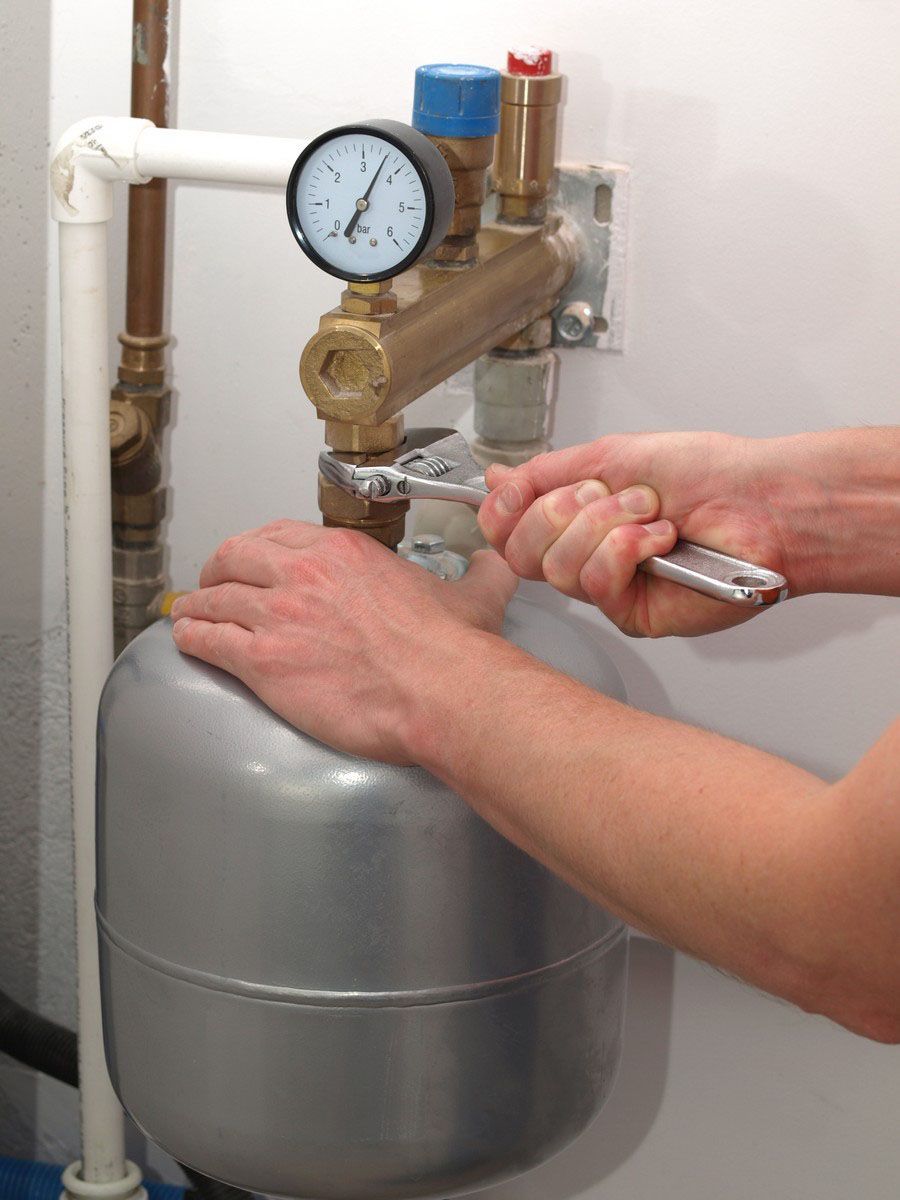
Low water pressure is easy to dismiss as a minor annoyance, but it sometimes signals a more serious plumbing issue. If only one faucet is affected, the cause could be something simple like mineral buildup. However, when pressure drops throughout the house or suddenly changes without explanation, the problem may involve hidden leaks, corroded pipes, pressure regulator failures, or underground water line damage.
Reduced pressure can also place additional strain on appliances and make daily tasks more frustrating. More importantly, ignoring the cause could allow hidden water damage to continue behind walls or beneath the home's foundation. Skilled plumbers use diagnostic equipment to identify the exact cause, helping homeowners avoid unnecessary guesswork and preventing larger problems from developing.
7. Preventing the Damage With Fast Action
One of the biggest mistakes homeowners make is hoping a plumbing problem will improve on its own. Water rarely stays contained, and every hour of delay gives moisture more time to spread into flooring, framing, insulation, and drywall. Acting quickly often means the difference between a straightforward repair and a major restoration project.
Having a basic emergency plan can also reduce stress when something unexpected happens. Knowing where the main water shutoff valve is located, turning off the water supply during an emergency, and avoiding the use of affected fixtures until help arrives can minimize additional damage. When the situation goes beyond a simple repair, experienced professionals have the knowledge and equipment needed to restore your plumbing system safely and efficiently.
Home water emergencies are never convenient, but recognizing the warning signs early can help protect both your home and your budget. Whether you're dealing with burst pipes, sewage backups, water heater problems, overflowing fixtures, persistent leaks, or unexplained pressure loss, responding promptly can prevent a manageable repair from becoming a much larger project. When something doesn't seem right, trusting qualified professionals is often the safest and most cost-effective decision. If you're facing a plumbing emergency or notice warning signs that should not be ignored, contact Tennessee Plumbing for prompt, dependable service.