May 20, 2026

4 Steps to Remember When Finding a Plumber

Author

Update First Last in Content -> Business Text -> First Last field

Date

May 20, 2026

Share

Your local plumbers do a lot of work to maintain homes and businesses. These workers are in high demand and many of them do different types of work. According to Zippia, more than 260,000 plumbers are working in the United States. With so many plumbers to choose from, you'll want to make sure you pick the right one. Here are four things to remember during your search.


1. Ask for Certifications


Plumbing is detailed, intricate work that affects your whole home or business. Certified plumbers go through intensive training to understand how to handle your pipes and septic systems. Only hire a reputable professional instead of someone pretending to be an experienced contractor. Play it safe and ask for proof of certification before signing any contract.


2. Check What Services They Offer


Plumbers can offer a range of services or have one particular specialty. Some plumbers are drainage professionals who can unclog any pipe. Some handle inspections and repairs, whereas others handle installations. Make sure you know what you need before randomly calling a plumber for an appointment. The plumber you need to install high-efficiency appliances like tankless water heaters may not be the same person who can handle your sewage line.


3. See About Warranties


You should always ask your plumber what type of warranty they offer. Even if they do a good job, some plumbing systems may still have problems after they get serviced. Ask the length of any warranty or guarantee the plumber offers. After all, a warranty will ensure they can return to fix the repairs without charging you an additional fee.


4. Confirm Emergency Work Availability


Unfortunately, plumbing issues don't just happen between the hours of nine to five. If your toilet suddenly begins backing up after midnight or water is merely trickling out of all your fixtures, you're going to need help immediately. Ask local plumbers if they do emergency services, or if they can direct you to someone who does.


Your local plumbers are available to supply a range of services that can keep your plumbing, bathrooms, drains, and sewer lines functioning as efficiently as possible. Now that you understand what to look for in plumbers, don't hesitate to contact Tennessee Plumbing Inc. We look forward to assisting you with your plumbing needs, so call us today.

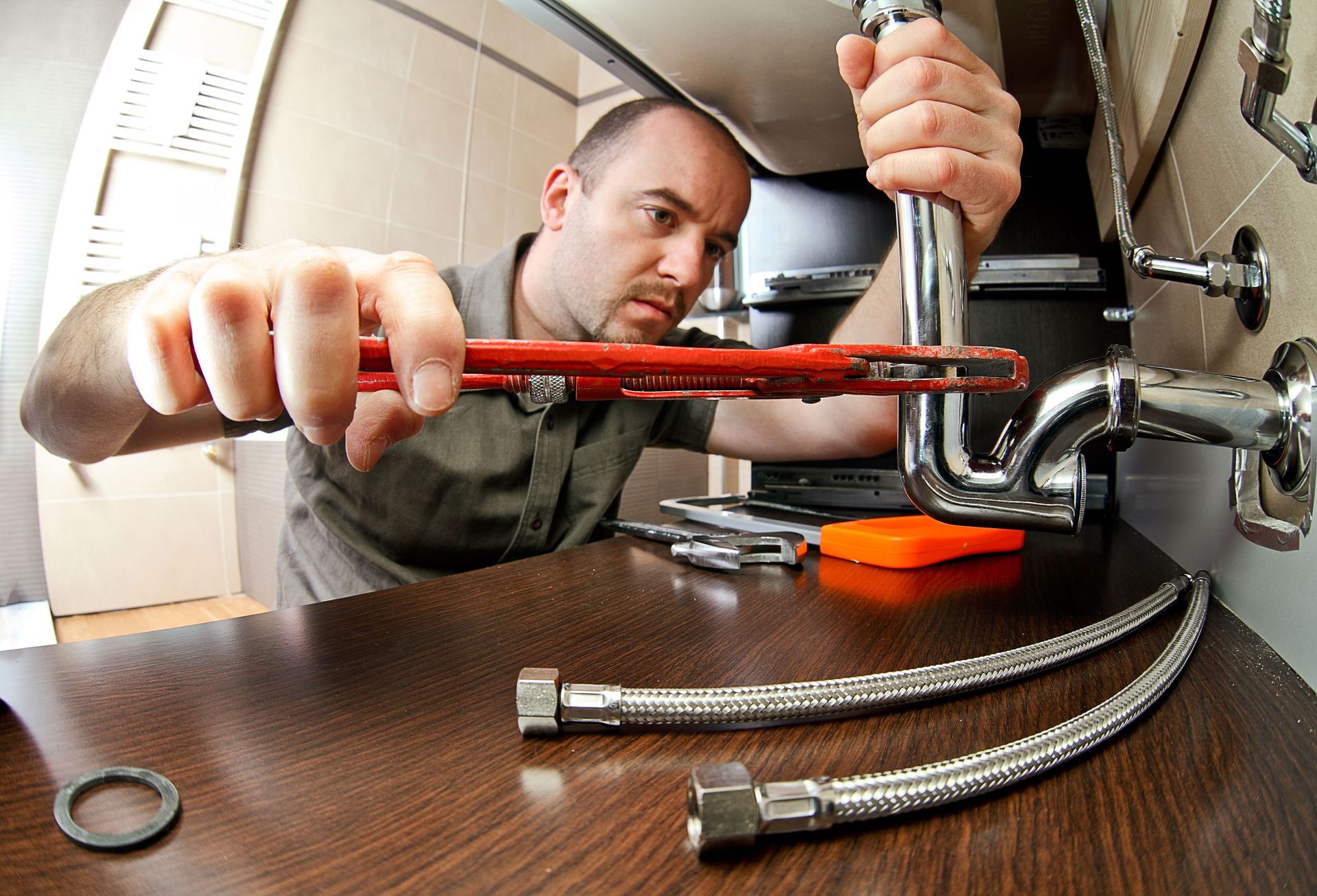
Red pipe wrench and hammer beside a kitchen sink with cleaning supplies and tools
May 20, 2026
Homes and businesses need plumbing for bathrooms, sanitation, and cooking. These services make life easier and safer. Read on to see why plumbers will always be needed in society. Leaks and Water Damage Plumbing leaks are a nuisance to any structure. According to Zippia, over 260,000 plumbers work in the United States, and most can help with those leaks. Leaks create lots of water waste, which is harmful to the environment and your budget. After all, untreated leaks are still something you must pay for on your water bill. These leaks can also cause massive water damage to your home or business. Water damage is expensive to repair and can eventually lead to mold. Clogged Drains Drains can become clogged without you realizing it. It can happen when you wash your hair, or you may inadvertently put food down your kitchen drain. Some people don't realize you shouldn't put cooking grease down the drain, as it will eventually solidify once it cools down. Clogged drains could eventually lead to a backup. When people have clogged drains, they may reach for over-the-counter solutions, but professional plumbers make it unnecessary. After all, plumbers have tools like plumbing snakes and diagnostic tools to help fix these clogs and find the source. Sewer Issues The last thing you want is a sewer backup. A professional plumber can tell if a problem is a front-end clog or a sewer issue brewing. They can prevent the issue from becoming a health hazard by way of a sewage leak on your property. Fixture Updates Your bathroom and kitchen sink fixtures are functional but also add to your home aesthetics. Updated fixtures can also help save water. Plumbers can install dual-flush toilets that only use one gallon of water per flush compared to five in a standard one, according to the EPA. Problems such as hard water buildup or leaks from your kitchen sink, shower head, and bathroom handles are handled by your plumber.  Plumbers make your home life and businesses more comfortable. They ensure you can always properly relieve yourself, wash, and have sanitary hot water for cleaning. Whether you need to make bathroom renovations, safely handle clogs, or prevent leaks, you need a professional to handle that. Contact our team of local plumbers at Tennessee Plumbing Inc. for free estimates.

Person helping another person stand up in a bright kitchen
May 20, 2026
Plumbing problems can be intimidating, but not every issue requires a professional. There are several simple fixes you can tackle yourself with the right tools and knowledge. When done correctly, these repairs can save you time and money. Tennessee Plumbing has compiled a list of five DIY plumbing fixes that are easy, safe, and perfect for homeowners looking to try their hand at basic maintenance. 1. Unclogging a Sink or Shower Drain If your sink or shower isn’t draining properly, a clog is often the culprit. You can use a plunger, a drain snake, or even a bent wire hanger to remove blockages caused by hair, soap scum, or other debris. Start with the least invasive method, like using a plunger or pouring a mixture of baking soda and vinegar down the drain, followed by hot water.  Tip: Avoid store-bought chemical drain cleaners. They can damage your pipes over time. If the clog persists, it might be time to call in the experts. 2. Fixing a Leaky Faucet A dripping faucet doesn’t just waste water; it also increases your utility bill. Most often, the problem lies with a worn-out washer or O-ring. To fix it, turn off the water supply to the faucet, disassemble the fixture, and replace the damaged part. A wrench and some replacement washers are usually all you need for this job. Tip: Take the old washer or O-ring to a hardware store to ensure you’re getting the correct size. 3. Replacing a Toilet Flapper Is your toilet running constantly? A worn or misaligned flapper in the tank is often the issue. Replacing it is simpler than you might imagine. Just shut off the water supply, remove the old flapper, and swap it for a new one. Toilet flappers are inexpensive and can be found at most local hardware stores. Tip: While replacing the flapper, check for build-up on the chain or other parts of the tank. A quick clean can improve functionality. 4. Tightening Loose Toilet Handles A toilet handle that sticks or feels loose might seem like an annoying inconvenience, but it’s an easy fix. Often, the issue is just a loose nut inside the tank where the handle connects. Simply open the tank lid and tighten the nut with an adjustable wrench. Tip: Be gentle when tightening, as the components inside the tank are often made of plastic and can crack under too much pressure. 5. Replacing a Shower Head Mineral deposits and wear can reduce the effectiveness of an old shower head. Replacing it is a quick, satisfying upgrade. Unscrew the existing shower head with a wrench, clean off any residue or old plumber’s tape from the threads, and screw on the new one. A little plumber’s tape will ensure a snug, leak-free fit. Tip: Choose a water-efficient shower head to save on water and energy costs over time. When to Call the Professionals While these fixes are safe and manageable for most homeowners, not every plumbing issue can or should be handled DIY-style. Complex problems like major leaks, damaged pipes, or issues with your water heater should always be left to professionals. At Tennessee Plumbing, we’re here to help when a project becomes too tricky to tackle alone. Learning basic plumbing skills can empower you as a homeowner and help you save money in the long run. However, knowing your limits is equally important. When in doubt, trust the experts to keep your home safe and your plumbing in top shape.

Hand flushing a toilet by pressing the metal lever on a white tank
May 20, 2026
Your toilet is not a trash can. Flushing the wrong items can lead to clogged pipes, costly repairs, and even environmental damage. Understanding what should and shouldn't go down the toilet not only saves you money but also keeps your plumbing system running smoothly. At Tennessee Plumbing, we’ve seen the results of many flushing mishaps. To help you avoid future trouble, we’ve put together this guide on items to keep far away from your toilet. Common Items You Should Never Flush 1. Wipes (Even “Flushable” Ones) Despite how they’re labeled, flushable wipes can wreak havoc on your plumbing. These wipes don’t break down like toilet paper, causing blockages and buildups in your pipes. Instead, toss them in the trash where they belong. 2. Cotton Products Cotton balls, swabs, and pads are deceptively small but incredibly absorbent. Once flushed, they expand, trapping other debris and leading to stubborn clogs. Stick to disposing of these in the garbage. 3. Paper Towels and Tissues Unlike toilet paper, paper towels and tissues are not designed to dissolve in water. Flushing them may seem harmless, but over time, they can cause significant blockages. 4. Feminine Hygiene Products Tampons, pads, and other feminine hygiene products are a leading cause of plumbing issues. Their absorbent nature allows them to quickly swell and block your pipes. Always dispose of these items in a sanitary bin. 5. Dental Floss It may seem small and harmless, but dental floss doesn’t dissolve in water. Over time, it can tangle with other debris in your pipes, creating larger blockages and even damaging your septic system. 6. Grease, Oils, or Fats While these are kitchen culprits, sometimes grease or oil ends up in your toilet. As grease cools, it hardens, sticking to pipes and creating a nightmare for your plumbing system. Dispose of grease in a sealed container and throw it away instead. 7. Medications Flushing medications isn’t just bad for your plumbing; it’s harmful to the environment. Medications can contaminate water supplies and disrupt ecosystems. Instead, take expired or unused medications to a pharmacy or a community take-back program. 8. Small Trash Items Items like cigarette butts, hair, bandages, or rubber bands may seem easy to flush, but they can easily collect in your pipes and lead to costly repairs. Simply throwing these into the trash can save you a future headache. The Right Way to Care for Your Toilet Now that you know what not to flush, here’s how to maintain a healthy plumbing system: Only flush toilet paper and human waste. Schedule regular plumbing inspections to catch issues early. Address minor blockages before they become major problems. Prevention is key to avoiding plumbing disasters, and being mindful of what goes down your toilet is a great place to start. Contact Us to Keep Your Plumbing Spotless If you’re dealing with frequent clogs or want to ensure your plumbing is in top condition, don’t hesitate to reach out. At Tennessee Plumbing, we specialize in keeping your home’s plumbing running smoothly and stress-free.  Avoiding disaster starts with action. Contact Tennessee Plumbing today to schedule your plumbing inspection or repair service!
Frozen downspout draining ice onto snow beside a building wall
May 20, 2026
Winter in Tennessee can bring sudden drops in temperature that put your home’s plumbing at risk. Frozen pipes aren’t just inconvenient—they can burst, causing costly water damage and expensive repairs. With a few preventative steps, you can protect your plumbing and keep your home safe all season long. Why Pipes Freeze Water expands when it freezes, and this can cause pipes to crack or burst. Pipes located in unheated areas like basements, attics, crawl spaces, and garages are particularly vulnerable. Even short periods of extreme cold can lead to serious damage if precautions aren’t taken. Tips to Prevent Frozen Pipes 1. Insulate Vulnerable Pipes Adding insulation sleeves or wrapping pipes with heat tape can make a big difference. Focus on pipes in unheated areas, and don’t forget outdoor faucets. Proper insulation slows the cooling process and helps prevent freezing. 2. Seal Gaps and Drafts Cold air entering your home through gaps in walls, windows, and doors can chill nearby pipes. Check for drafts and seal openings around plumbing lines to keep cold air out. Weatherstripping and caulking are simple and effective solutions. 3. Keep the Heat On Even if you’re away, keep your thermostat set to at least 55°F. This helps maintain a stable indoor temperature and prevents pipes from freezing. In extreme cold, leaving cabinet doors open under sinks allows warm air to circulate around plumbing. 4. Let Faucets Drip Allowing a slow trickle of water to flow through vulnerable pipes can prevent freezing. Moving water freezes more slowly than stagnant water, reducing the risk of damage. This method is particularly useful for pipes along exterior walls. 5. Prepare Outdoor Faucets and Sprinklers Disconnect hoses and drain outdoor faucets before the first freeze. Shut off water supply lines to outdoor irrigation systems and drain them to prevent frozen water from causing cracks. What to Do if Pipes Freeze If you suspect a frozen pipe, act quickly. Turn off the main water supply and gently thaw the pipe using a hair dryer, heat lamp, or warm towels. Never use open flames. If the pipe has burst or you can’t safely thaw it, call a professional plumber immediately. Tennessee Plumbing Preventing frozen pipes is essential to avoid water damage and costly repairs. By insulating pipes, sealing drafts, maintaining heat, and taking simple precautions with faucets and outdoor systems, you can protect your home this winter. For professional guidance and reliable plumbing services, contact Tennessee Plumbing at (423) 455-8776 and keep your home safe all season long.
Arm reaching toward a white bathtub in a bathroom beside a chrome shower fixture and potted plant
May 20, 2026
When your water heater starts falling behind—leaving you with lukewarm showers, slow recovery times, or hot water that runs out altogether—it’s a sign something isn’t working the way it should. While water heaters are designed to provide consistent performance, age, wear, and maintenance issues can gradually reduce their output. Understanding the root cause can help you decide whether you need a simple repair or a full replacement to restore comfort in your home. Common Reasons Your Water Heater Can’t Keep Up 1. Sediment Buildup in the Tank Over time, minerals in your water supply settle at the bottom of your water heater. This sediment layer forces the heater to work harder because it creates a barrier between the burner or heating element and the water you're trying to heat. Symptoms: longer heating times, popping sounds, or reduced hot water volume. A professional flush can often solve the issue—if the tank itself is still in good condition. 2. A Failing Heating Element or Burner Electric water heaters rely on heating elements, while gas units use a burner system. When these components wear out or stop functioning properly, your system may still produce warm water—but not enough to support normal household use. This problem typically requires repair, not replacement, unless the unit is older or showing additional signs of decline. 3. Your Water Heater Is Too Small for Your Household If your family has grown or your hot water needs have increased, your tank may simply not have the capacity to keep up. Activities like back-to-back showers, dishwasher cycles, and laundry loads can overwhelm a smaller system. Tankless units and larger conventional models can both be good solutions for homes with increasing demand. 4. Your System Is Reaching the End of Its Lifespan Most water heaters last 8–12 years. As they age, efficiency drops, parts wear out, and sediment becomes more difficult to control. If your unit is in this age range and struggling to provide consistent hot water, replacement may be the most cost-effective solution. 5. A Hidden Leak Is Reducing Efficiency A small leak in either the tank or the connected plumbing lines can cause hot water loss and force your system to run constantly. Left untreated, leaks can lead to water damage, mold growth, and premature heater failure. If you notice pooling water, rust, or sudden changes in water pressure, call a professional right away. What You Can Do to Improve Performance Schedule Regular Maintenance Professional flushing, inspection, and minor repairs can extend your system’s lifespan and help prevent unexpected breakdowns. Check Temperature Settings A thermostat that is set too low can make it seem like your heater isn’t keeping up. The ideal setting is usually around 120°F for comfort and safety. Consider Upgrading to a More Efficient Model If your current heater struggles even after repairs, upgrading to a high-efficiency tank or tankless water heater can provide more reliable hot water while reducing energy costs. Restore Reliable Hot Water With Help From Tennessee Plumbing You don’t have to deal with inconsistent hot water or a system that can’t keep up. Whether your heater needs maintenance, repair, or replacement, the experts at Tennessee Plumbing can help you get the consistent performance and comfort your home deserves. Call Tennessee Plumbing today at (423) 455-8776 to schedule your water heater service or inspection.
Hand using a white stick to stir a red dough ring on a tray with scattered vegetable bits
May 20, 2026
Slow drains are a common plumbing issue that can disrupt your daily routine and signal bigger problems in your home’s plumbing system. While they may start as a minor inconvenience, ignoring slow drains can lead to clogs, backups, and costly repairs. Understanding the common causes of slow drains and how to address them is key to keeping your plumbing system running efficiently. Common Causes of Slow Drains Several factors can contribute to slow-draining sinks, tubs, and showers. Recognizing these issues early can prevent more significant problems. 1. Hair and Soap Buildup In bathrooms, hair, soap residue, and other debris can stick to the inside of pipes, gradually restricting water flow. Over time, this buildup can create partial clogs that slow drainage and cause unpleasant odors. 2. Food and Grease in Kitchen Drains In the kitchen, pouring grease or food scraps down the sink can lead to sticky buildup inside the pipes. Even small amounts of grease can accumulate over time, reducing the flow of water and causing recurring slow drains. 3. Mineral Deposits from Hard Water Hard water, common in many Tennessee homes, contains minerals like calcium and magnesium. These minerals can collect inside pipes, narrowing the diameter and slowing water flow. 4. Foreign Objects or Debris Sometimes slow drains are caused by objects accidentally entering the pipes. Small items like jewelry, bottle caps, or excessive paper products can become lodged, restricting water flow. 5. Tree Roots or Sewer Line Issues In severe cases, slow drains may indicate issues beyond your home’s plumbing system. Tree roots growing into sewer lines or damaged pipes can restrict drainage and cause recurring slow drains throughout your home. How to Prevent Slow Drains Preventing slow drains is often easier than fixing them. Homeowners can take simple steps to keep water flowing smoothly: Use drain screens to catch hair and debris in bathroom sinks and tubs Avoid pouring grease, coffee grounds, or food scraps down kitchen drains Run hot water after washing dishes to help flush pipes Schedule regular plumbing inspections to catch early signs of buildup or damage When to Call a Professional While minor slow drains can sometimes be managed with DIY solutions, persistent or widespread slow drains may indicate a more serious problem. Professional plumbers have the tools and expertise to identify the root cause, whether it’s a hidden clog, pipe damage, or sewer line issues, and provide safe, long-term solutions. Keep Your Drains Flowing Smoothly Slow drains shouldn’t disrupt your home or daily routine. By understanding the common causes, taking preventative steps, and seeking professional assistance when needed, you can maintain a healthy and efficient plumbing system. 📞 Contact Tennessee Plumbing today at (423) 455-8776 for expert drain cleaning and plumbing services. Our team is ready to help keep your drains flowing freely and your home protected from costly plumbing problems.